
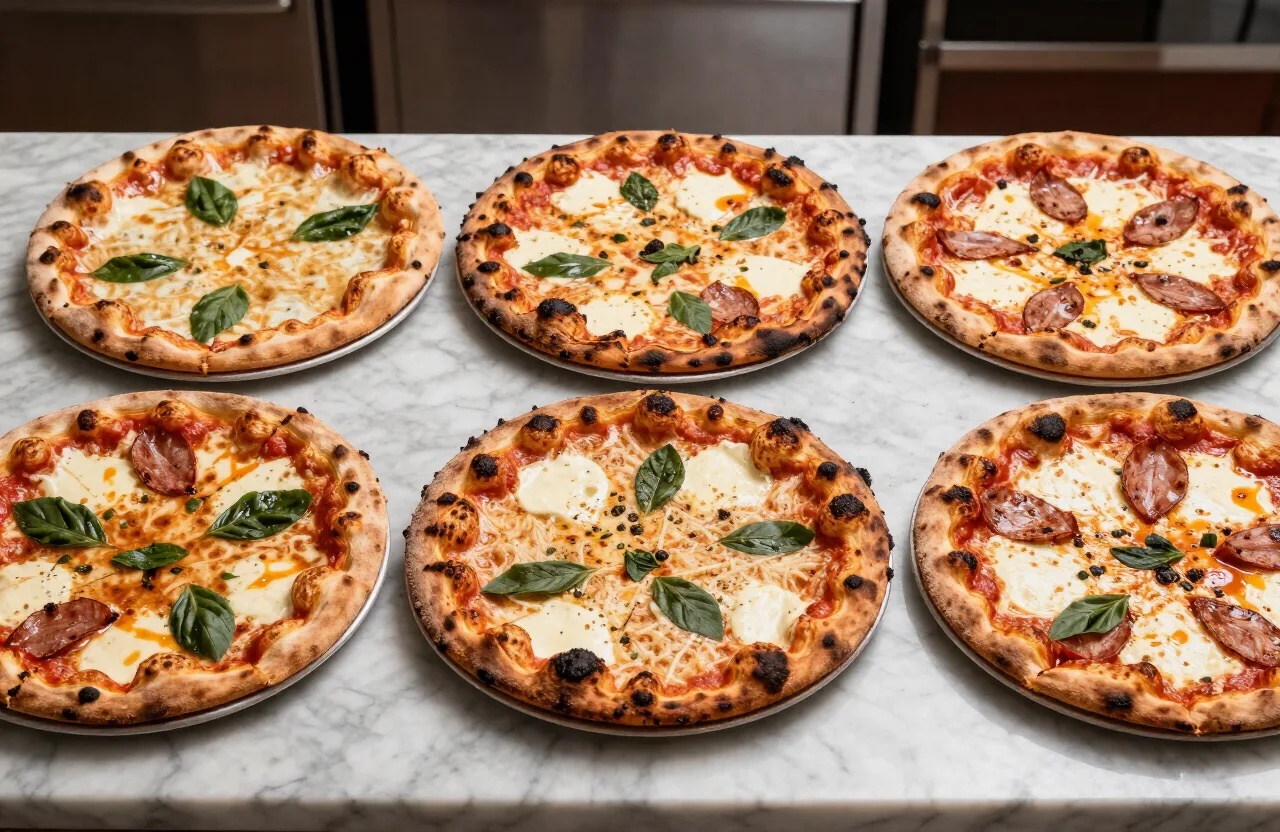
Explore every pizza style
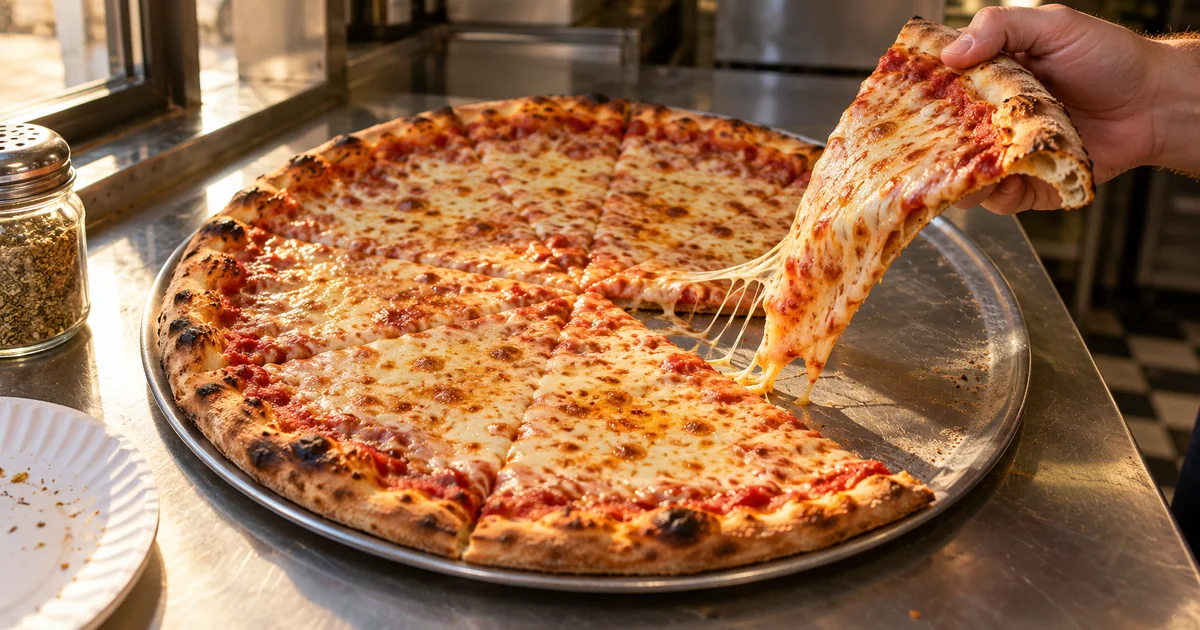
The 18-inch foldable slice on high-gluten dough, aged mozzarella and a deck-oven bake. Origins, dough spec and a home-oven recipe.
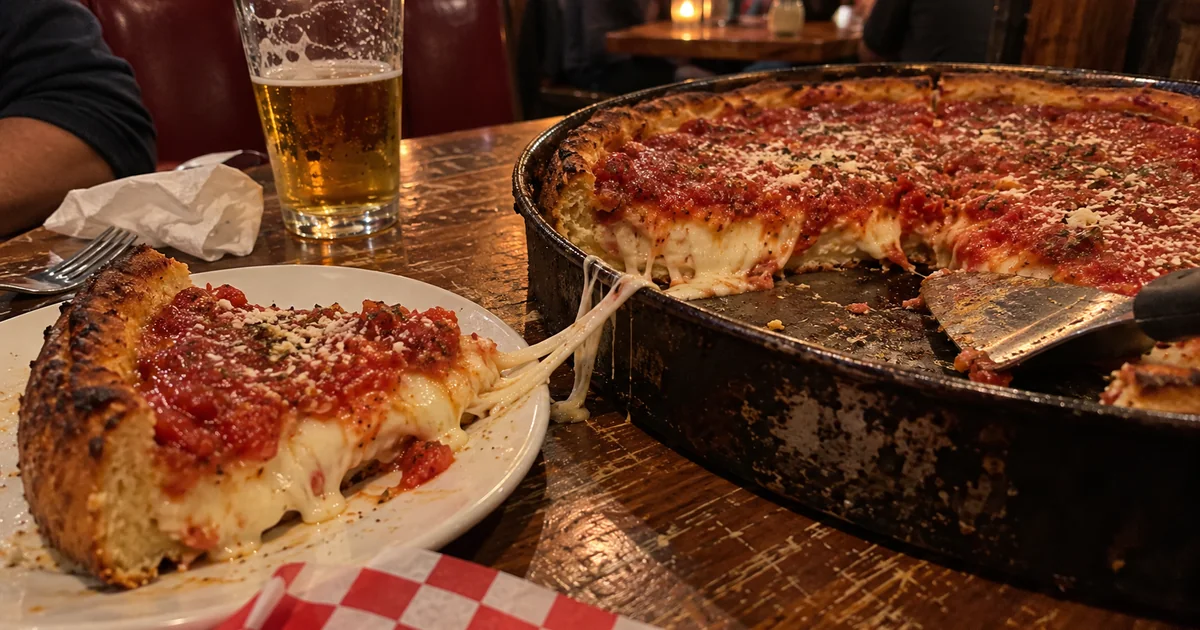
Chicago's tall, buttery pie with the cheese under the sauce. History, how it differs from stuffed and pan, and a cast iron recipe.
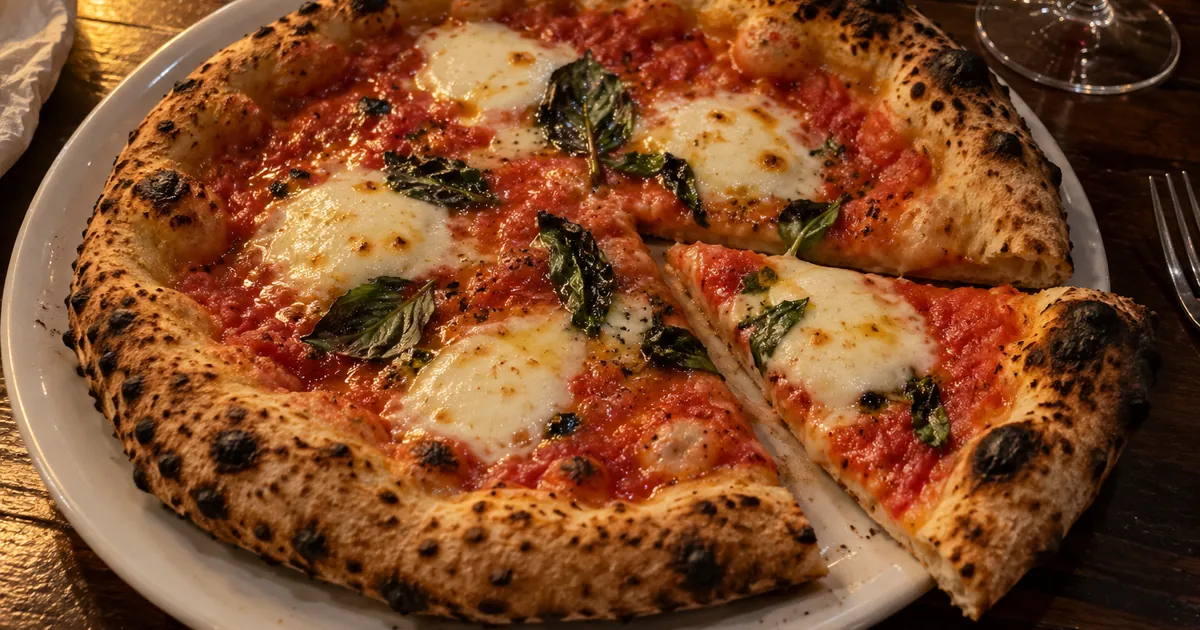
The original Neapolitan: crushed tomato, fresh mozzarella, basil and a 90-second bake. What goes on it, the 1889 story, and a home oven recipe.
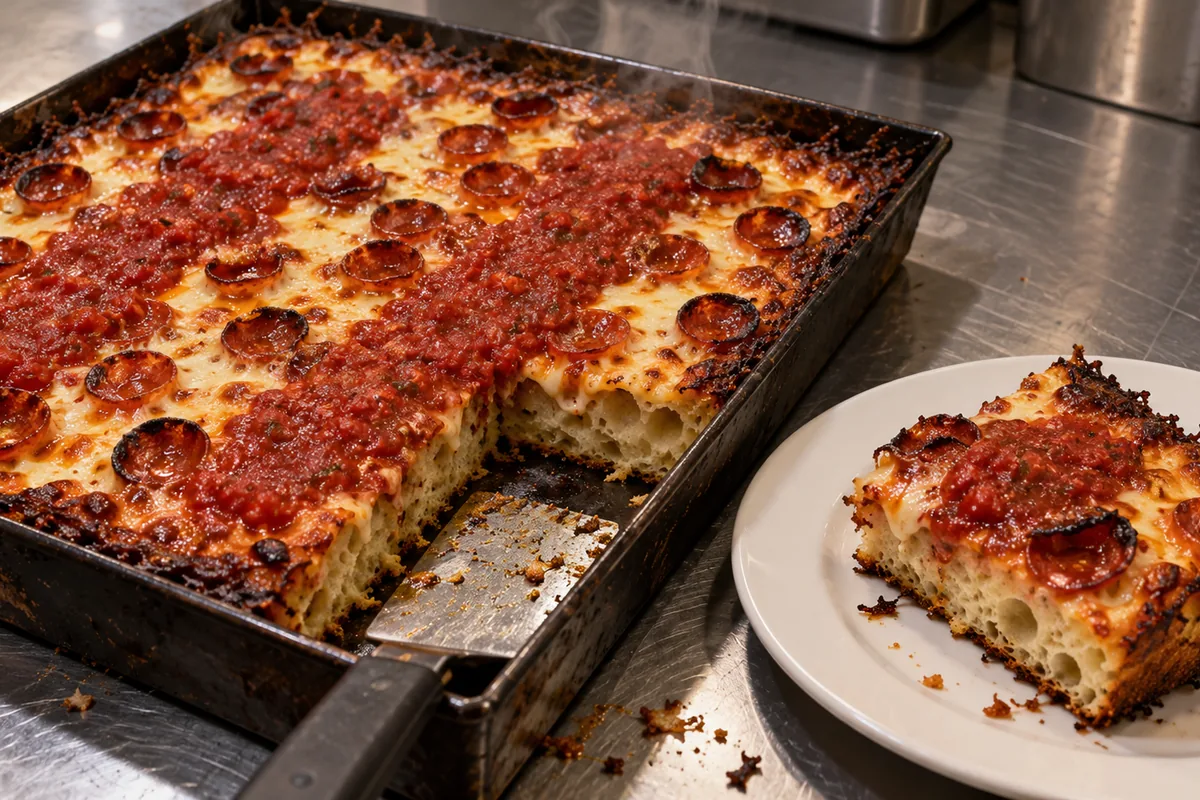
Square, airy, with brick cheese baked to a crisp edge and sauce stripes on top. The 1946 Buddy's story, the pan and cheese to buy, and a home recipe.
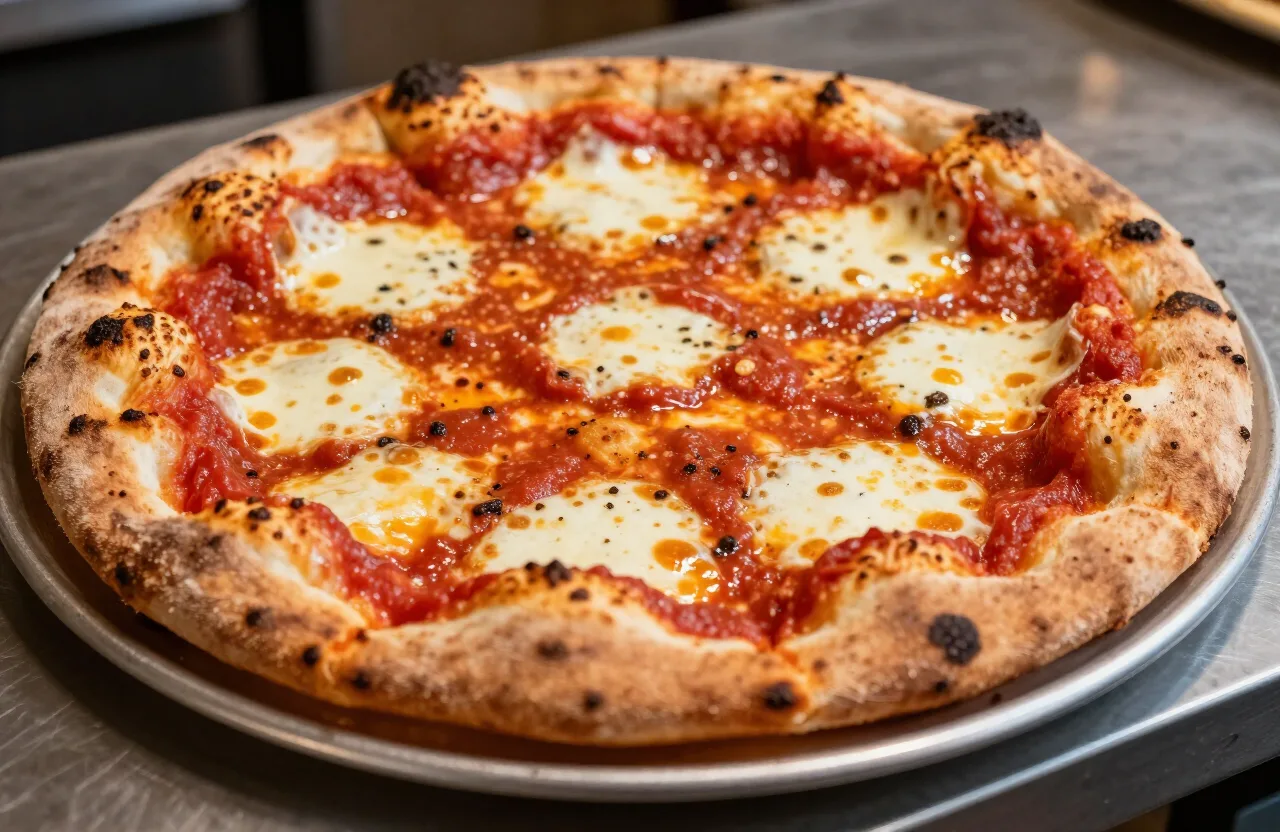
Thick, airy, pan-baked squares with a fried crispy bottom. Sfincione roots, dough spec and a tested recipe.
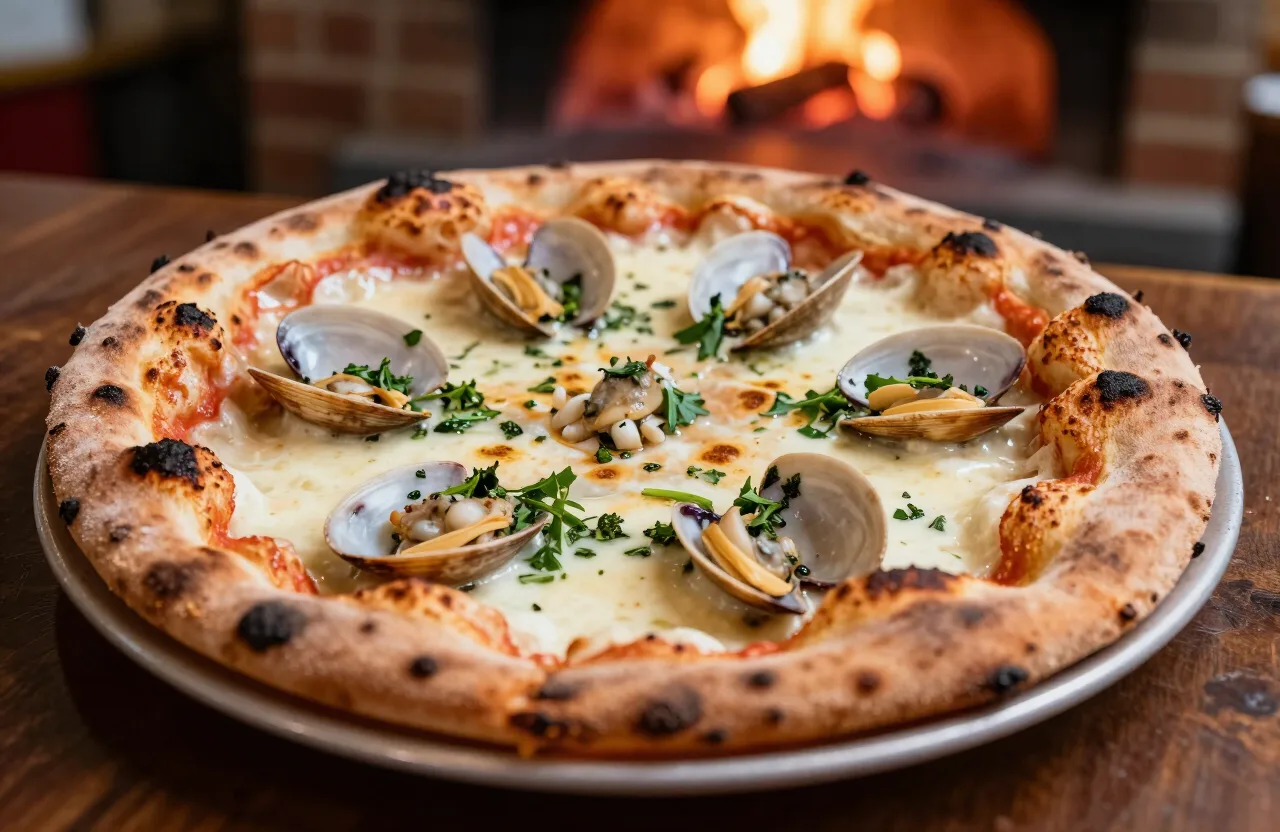
Coal-fired char, thin chewy crust and the famous white clam pie. History, defining shops and how to make it at home.
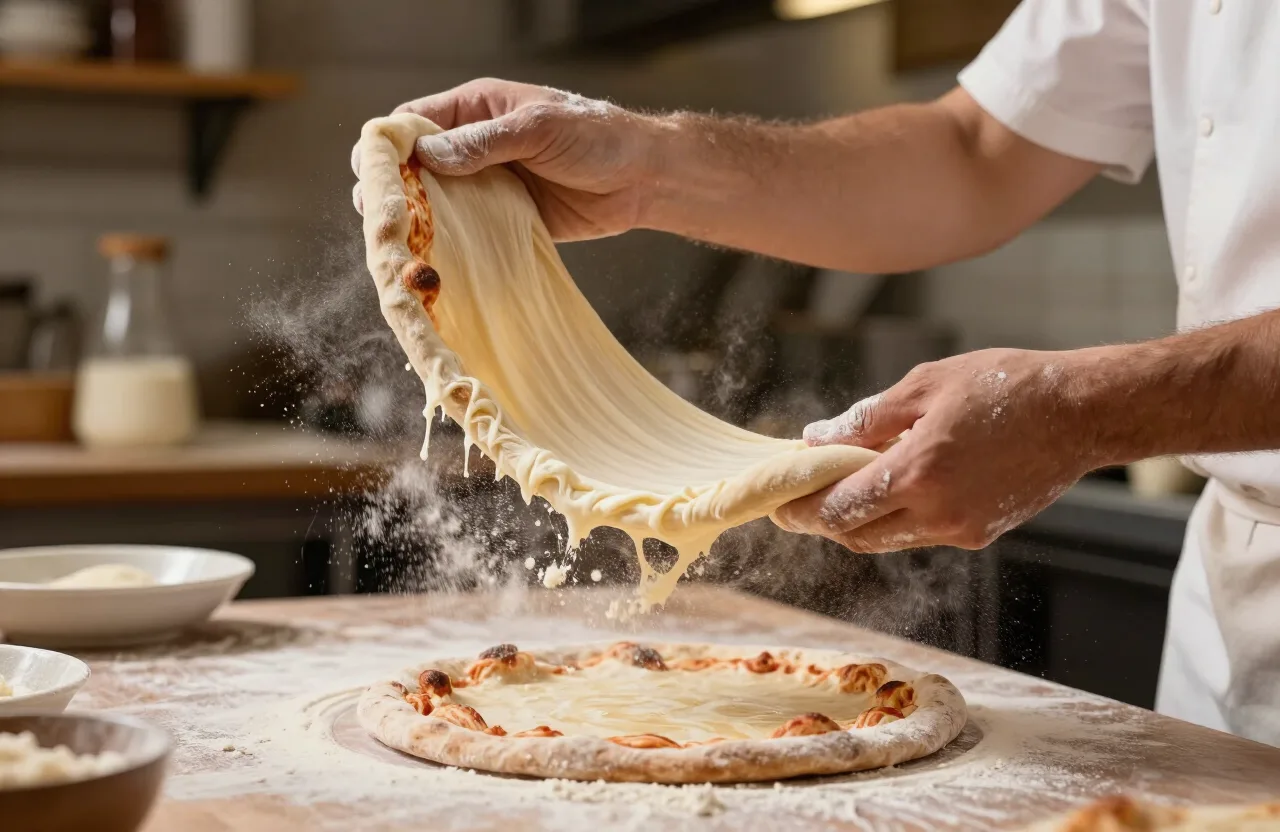
Dough stretched and shaped by hand. What it means, how it compares to pan and thin crust, and how to stretch like a pizzaiolo.
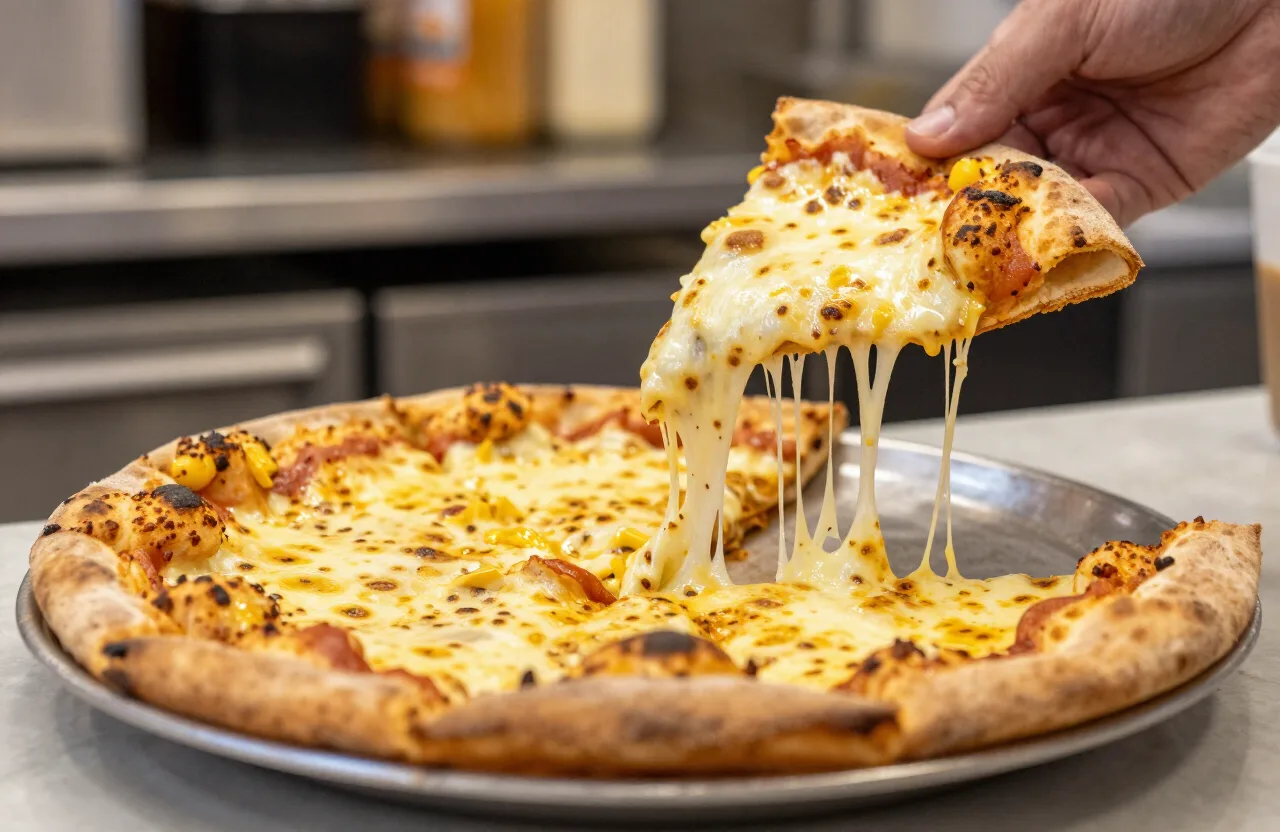
Thin, crisp, foldable slices. What the chain version gets right and how real Brooklyn slice shops differ.
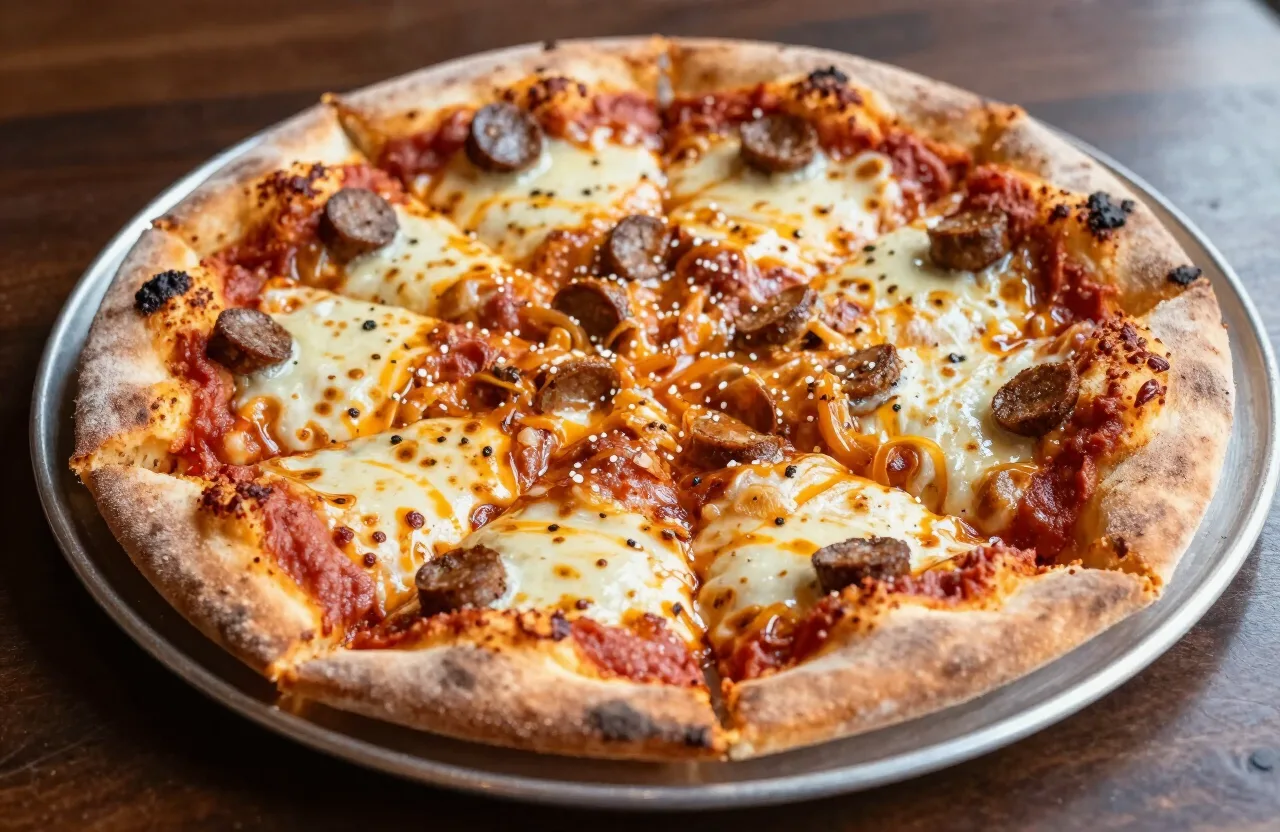
Chicago's cracker-thin, party-cut original. History, dough spec and how it beats deep dish at home.
How pizza styles differ
Every style is a balance of four variables: dough hydration and thickness, bake temperature, cheese type and order, and the pan (or lack of one). A charred Neapolitan bakes in 90 seconds at 900°F; a Sicilian bakes low and slow in an oiled pan. Understanding these levers helps you recreate any style at home.
Thin-crust styles
The thin-crust family includes New York, New Haven apizza, Brooklyn slices, and Chicago tavern-style. They prize crispness and foldability over a puffy rim.
Pan and thick styles
Sicilian, Detroit, and Grandma pies bake in oiled pans for a fried, airy base. They reward patience and a well-seasoned steel pan.
What actually defines a pizza style
A pizza style is the sum of four decisions: the dough (flour type, hydration, and fermentation), the shaping and pan, the bake (temperature, time, and heat source), and the topping order. Change any one and you can nudge a pie from one tradition toward another. Neapolitan lives or dies on a 60-second bake in a 900°F wood oven; New York depends on a higher-gluten flour and a 550°F deck; Detroit is defined by its blue steel pan and cheese-crusted 'frico' edge.
Understanding these levers is what lets you recreate any regional pie at home. Once you can read a style as a set of specs rather than a mystery, the dough calculator and the right oven do the rest.
The major American pizza families
American pizza splits into a few broad families. The thin-and-foldable New York family includes classic NY, Brooklyn, and the coal-fired charred pies of the Northeast. The thick pan family runs from Sicilian and grandma pies to Detroit's caramelized edges and old-school Chicago deep dish. The cracker-thin family is anchored by Midwestern tavern (party-cut) style, prized for its shatteringly crisp base.
- Thin & foldable: New York, Brooklyn, New Haven apizza.
- Thick & pan-baked: Sicilian, grandma, Detroit, Chicago deep dish.
- Cracker-thin: tavern / party-cut, Roman-style tonda.
- Artisan-classic: Neapolitan and its wood-fired variations.
Neapolitan: the original template
Neapolitan pizza is the reference point for the whole tradition. Protected by the Associazione Verace Pizza Napoletana, a true Neapolitan uses 00 flour, San Marzano-style tomatoes, fior di latte or buffalo mozzarella, and a 60-90 second bake in a wood-fired oven that runs 800-900°F. The result is a puffy, blistered cornicione and a soft, spot-charred center meant to be eaten with a knife and fork.
Every other style can be read as a departure from this template - hotter or cooler ovens, higher-gluten flours, longer bakes, and thicker crusts all trace back to adapting Naples to local ingredients and equipment.
How to choose a style to make at home
Match the style to your equipment. If you have a dedicated pizza oven that reaches 750°F or more, Neapolitan and New Haven come alive. If you're working with a home oven capped at 550°F, a baking steel and a New York or tavern dough will give you the best results. Pan styles like Sicilian and Detroit are the most forgiving for beginners because the pan protects the dough and forgives an imperfect stretch.
Dough hydration by style
Hydration - the weight of water as a percentage of flour - is the fastest way to characterize a dough. Neapolitan and New York sit around 60-65%, tavern-style runs drier near 50-55% for that cracker snap, and pan styles like Sicilian and Detroit climb to 70-75% for an open, airy crumb. Use the dough calculator to convert any target hydration into exact gram weights for your batch size.
Regional Italian styles beyond Naples
Italy's pizza tradition extends well past Naples. Roman pizza comes in two forms: pizza tonda, a thin, crisp round, and pizza al taglio, a rectangular focaccia-like pie sold by weight and cut with scissors. Sicilian sfincione is thick and spongy with a robust onion-and-anchovy topping. Each region adapts the same basic ingredients to local flour, ovens, and taste, proving there is no single 'correct' Italian pizza.
Choosing a style for a crowd
When you're feeding a group, pan and party styles scale best. A single Sicilian or Detroit tray yields many square servings from one bake, and tavern-style party cuts are designed for sharing. Round Neapolitan and New York pies are better for cooking to order, one pizza at a time, so plan your style around whether you're serving continuously or all at once.
Match the style to your equipment and skill
The most reliable way to pick your first style is to work backward from what you own. A home oven and a steel point you toward New York or tavern; a dedicated 800°F+ oven unlocks Neapolitan and New Haven; a couple of metal pans make Sicilian and Detroit the easiest wins for beginners. As your dough handling improves, higher-hydration and higher-heat styles open up. Use the dough calculator to nail the ball weights for whichever style you choose.
Building your own pizza-style repertoire
The best way to learn pizza is to work through styles in order of difficulty rather than jumping straight to the hardest. Start with a forgiving pan style like Sicilian or Detroit, where the pan protects the dough and hides an imperfect stretch. Move to hand-tossed and New York on a baking steel to practice shaping and launching. Then, if you invest in a high-heat oven, take on Neapolitan and New Haven, where seconds matter and the char is the reward. Each style teaches a skill the next one builds on.
As you go, keep notes on your dough weights, hydration, and bake times so you can reproduce your wins and diagnose your misses. The dough calculator makes this repeatable by locking in exact gram weights, turning pizza from a gamble into a craft you steadily improve at over time.
Frequently Asked Questions
What are the main types of pizza?
The major pizza styles include Neapolitan, New York, Sicilian, Detroit, New Haven, tavern-style, Chicago deep dish, and Roman.
What is the most popular pizza style in America?
New York-style thin crust is the most widespread, with Neapolitan and Detroit-style growing fast.
What is the difference between thin and pan pizza?
Thin styles are stretched directly on a peel for crispness, while pan styles proof and bake in an oiled pan for an airy, fried base.
Which pizza style is easiest to make at home?
Tavern-style and Sicilian are forgiving for beginners because they don't need a super-hot oven or fast handling.